Streamline e-invoicing globally

Comply with all global e-invoicing requirements. Enhance efficiency and integrate with VAT returns.

Why choose Marosa
for e-invoicing

Comprehensive VAT return and e-invoicing solution
Supports various file formats, including XML, JSON, and others.
Peppol certified
Certified platform in France
ERP connectors available
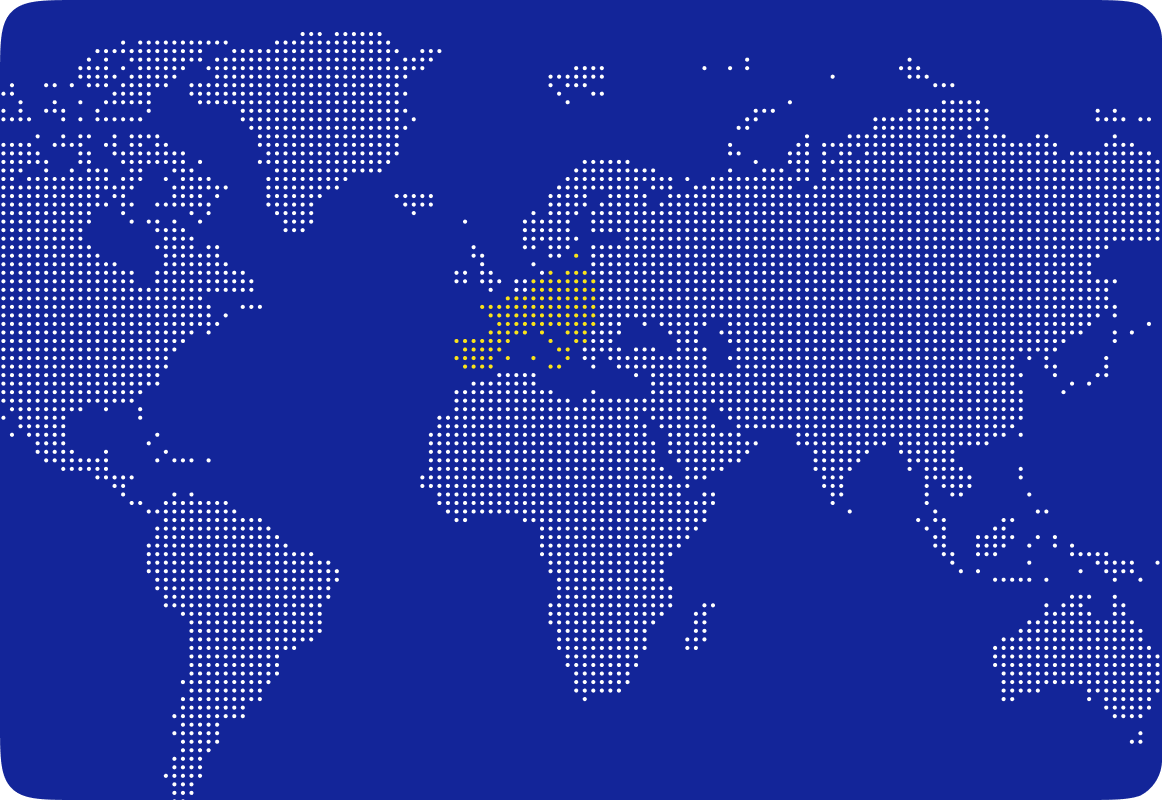
Centralised global solution
ERP agnostic

One single data flow for all countries

Connect to ERP through an API connector

Invoice transmission both inbound and outbound

Error handling

Align with VAT returns

Benefits of using VATify for e-invoicing
One file extraction from your ERP
Customizable connectors for all ERP systems
Ensure reconciliation with VAT returns to avoid discrepancies
Tax advisor on duty

FAQs

Explore our Resources Page to learn more about e-invoicing in Europe, including due dates and mandates for every country in the EU.

E-invoicing in Europe: Now and the future

E-invoicing is becoming increasingly mandatory across Europe, particularly for Business-to-Government (B2G) transactions. This trend is expanding to include Business-to-Business (B2B) and Business-to-Consumer (B2C) transactions, driven by the need for greater efficiency and compliance with regulatory standards. As a result, e-invoicing is expected to become the standard practice across all sectors, facilitating smoother and more transparent financial operations.

Is Peppol e-invoicing mandatory?

While not mandatory in all countries, Peppol e-invoicing is required in many European countries for public sector transactions. It’s also increasingly being adopted by private businesses for its efficiency and compliance benefits.

Peppol, what is it and how it works?

Peppol is a standardized network for exchanging e-invoices and other documents across borders. It ensures that e-invoices are in the correct format and comply with local regulations, making it easier for businesses to trade internationally.

Read more

What is an e-invoice?

An e-invoice is a digital version of a paper invoice. Instead of being printed and sent by mail, an e-invoice is created, transmitted, and received electronically in a structured format, typically XML. This format allows for automated processing by both the sender and receiver, making the invoicing process faster and more accurate.

Latest news

european union flag

EU Removes Customs Duty Relief for Low-Value Consignments

The EU's €150 customs duty exemption ended on 1 July 2026. See how the €3 per-item charge works and what the planned VAT threshold removal means.

european union flag

EU Proposes to Extend the Optional Reverse Charge Mechanism and the Quick Reaction Mechanism Until 30 June 2030

The European Commission proposes extending the optional reverse charge (Article 199a) and the Quick Reaction Mechanism until 30 June 2030, keeping both anti-fraud tools in place until ViDA digital reporting applies.

bulgaria view

E-Invoicing in Bulgaria: Complete Guide

Bulgaria plans to make structured e-invoicing mandatory for domestic transactions from 1 January 2028, with real-time NRA validation and pre-filled VAT returns. Learn who is affected and what changes.

Stop Staring at the Patch of Blue Sky: The Future of E-Invoicing

Many see ViDA as the patch of blue sky in e-invoicing compliance. From July 2030 it will make structured e-invoicing the norm, but not necessarily easier: national models are diverging, and there are signs that e-invoices may start carrying procurement, transport, ESG and payment data.

Rome view

Italy: Fiscal Representation and VIES Guarantee Rules for Non-EU Businesses

Non-EU and non-EEA businesses that use an Italian fiscal representative must provide a guarantee of at least €50,000 to be included in VIES. Fiscal representatives must also meet honourability requirements and, where they represent two or more businesses, provide a separate guarantee.

london view

UK Budget 2026: Key VAT Changes for E-Invoicing, Marketplaces and Cross-Border Services

The UK Budget 2026 brings mandatory e-invoicing from April 2029, marketplace VAT liability for UK sellers, a narrower reverse charge and mandatory direct debit for VAT.

london view

UK E-Invoicing Roadmap: One 2029 Start Date, Requirements by April 2028

The UK’s e-invoicing roadmap sets a single 1 April 2029 start date for VAT-registered businesses and public bodies, with key requirements due between October 2027 and April 2028.

london view

E-Invoicing in the UK: Complete Guide

From 1 April 2029, UK VAT-registered businesses and public bodies must issue and receive VAT invoices as e-invoices. Here's what the roadmap sets out and how to prepare.

norway city view

E-Invoicing in Norway: Complete Guide

Norway requires B2B e-invoicing from 1 January 2027, with the obligation to receive e-invoices following in 2030. Learn the approved formats, exemptions and how Peppol and EHF fit in.

poland city view

VAT Changes in Poland from 2027: VAT Warehouses and Wider Joint Liability

Poland has amended its VAT Act to introduce a VAT warehouse procedure, extend joint and several liability to certain services and tighten fiscal representation rules, mostly from 1 January 2027.